CROSSING THE BORDER FROM SAN DIEGO FOR A DENTAL APPOINTMENT
What to carry, walking across at San Ysidro or PedWest versus driving, SENTRI and Ready Lane, parking on the US side, and how to plan the wait coming home.
By Editorial
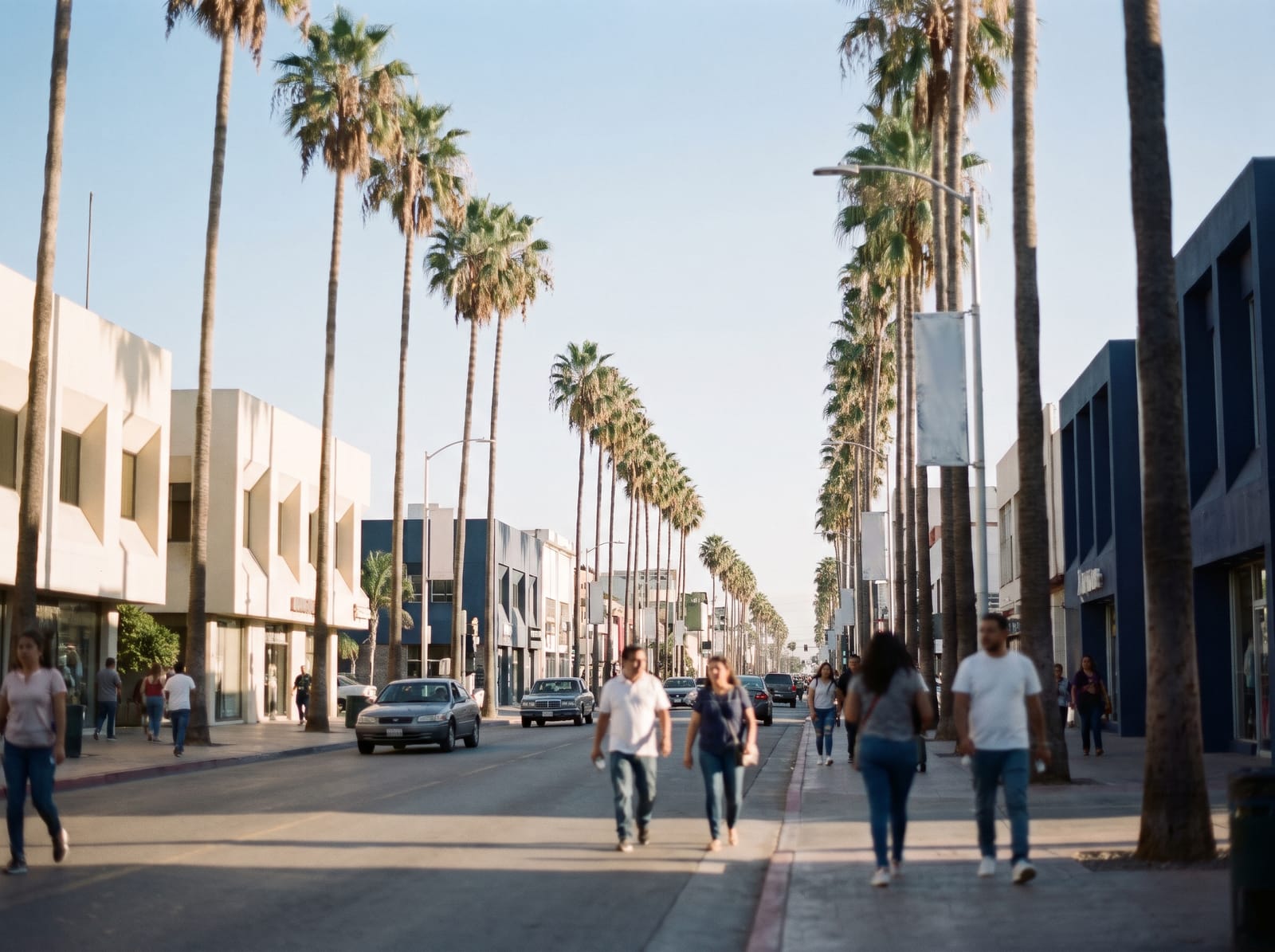
Most patients reach a Tijuana dentist from San Diego with little actual travel time. The part that takes planning is the trip back north, so it helps to know your options before the day.
WHAT DOCUMENTS DO YOU NEED?
To come back into the United States by land, US citizens need a document that meets the Western Hemisphere Travel Initiative, which CBP lists: a US passport, a US passport card, an enhanced driver's license from a state that issues them, or a trusted traveler card such as SENTRI, NEXUS or Global Entry. A passport card costs less than a passport book and works at land and sea crossings, but not for international flights. Permanent residents carry their green card, and visitors from other countries need their passport and whatever US entry document they normally use.
Mexico checks people going south too. For a short visit to Tijuana you are usually waved through, but if you stay longer or go beyond the border area, Mexico may ask you to get a tourist permit (FMM). Rules change, so check with Mexican immigration (INM) or your clinic before you go.
WALKING ACROSS: SAN YSIDRO AND PEDWEST
Walking is the simplest option for most dental visits. The San Ysidro Port of Entry has two pedestrian crossings: PedEast, next to the San Ysidro transit center where the San Diego Trolley Blue Line ends, and PedWest, on the west side near the Las Americas outlets. Both bring you out in Tijuana a short taxi or rideshare ride from the main clinic areas, and many clinics will meet you at the border if you ask when you book.
Walking also means no parking hunt in Tijuana and no Mexican auto insurance to arrange. The catch is the walk back: northbound pedestrian lines can be long at busy times, and you stand the whole way, which is worth thinking about after a long appointment.
DRIVING ACROSS
Driving gives you your own car on the Mexican side, which helps if you are staying several days or bringing family. US auto insurance usually does not cover you in Mexico, so buy a Mexican auto policy before you cross; many insurers and brokers sell short term ones. Vehicle lines coming north are often longer than pedestrian lines, and you cannot step out if the wait drags.
If you have sedation or a long surgical appointment, do not plan to drive yourself that day. Bring someone who can drive, or walk across and let them handle the trip back.
SENTRI AND READY LANE
SENTRI is the CBP trusted traveler program for the southern land border. Members are screened in advance and use dedicated SENTRI lanes, which are usually much faster coming north. Applying takes time, with a background check and an interview, so it suits people planning several crossings, such as the two trips that implants or All-on-4 usually need.
Ready Lane is a vehicle lane for cars where everyone carries a document with an RFID chip, such as a passport card, an enhanced driver's license or a trusted traveler card. It is not as fast as SENTRI, but it is often quicker than the general lanes. A passport book does not qualify.
PARKING ON THE US SIDE
If you drive to the border and walk across, there are paid lots on the San Diego side near the San Ysidro crossing, some open around the clock. Rates change and some lots charge more on weekends, so check the rate posted at the lot. You can also take the San Diego Trolley Blue Line to the San Ysidro stop and skip parking altogether.
HOW LONG DOES IT TAKE?
Going south into Tijuana is usually quick. Coming back north is the part that varies: waits depend on the time of day, the day of the week, holidays and which lane you use, and weekends and holiday periods are often busy. CBP publishes live border wait times for San Ysidro and Otay Mesa, so check them before you leave the clinic.
Build slack into your day. Book morning appointments if you can, do not schedule anything important in San Diego right after, and keep water, a phone charger and any pain relief your dentist approved with you in the line.
COMING BACK WITH MEDICINES AND RECORDS
If the dentist gives you a prescription, keep the medicine in its original packaging with the prescription and declare it to CBP when you cross. Bring home your treatment plan, X-rays, the materials and brands used and any warranty, so a dentist at home can see what was done. Read the current US State Department travel advisory for Baja California before you book, and follow its advice.
For anything bigger than a cleaning, get a check-up and a written treatment plan before you plan the crossing, so you know how many visits you need. The clinic map shows where every clinic on our list sits relative to the border, and the dental clinic directory lets you compare prices in US dollars. Or answer a few questions in the free quiz for clinics that fit.
How-to · 7 min · Nov 22, 2026
← all posts
HOW TO CHOOSE A DENTIST IN TIJUANA
Reviews, credentials, a written plan and quote, materials and brands, warranty and aftercare: what to check, and the questions to send before you book.

HOW MUCH DENTAL WORK COSTS IN TIJUANA VS THE US
Price ranges from clinics on the TijuanaClinics list next to published US ranges, what a quote often leaves out, and how to compare two quotes fairly.
ALL-ON-4 IN TIJUANA: WHAT TO EXPECT
The steps from scan to final bridge, why it usually takes two trips, what healing is like, what clinics on our list charge, and the questions to ask first.
VENEERS AND CROWNS IN TIJUANA: A PLAIN GUIDE
How veneers and crowns differ, the materials clinics use, how many visits each takes, what clinics on our list charge, and how to look after them.
PLANNING YOUR DENTAL TRIP TO TIJUANA: VISITS, STAY AND FOLLOW-UP
How many visits common treatments take, how long to stay, what recovery looks like, and how to set up follow-up care back home.
▶▶▶ stop reading. start matching.
FIND YOURS.
Answer a few questions about your treatment, budget and dates and see Tijuana dental clinics that fit. Free for patients.